
California High-Speed Rail Project Reaches New Construction Milestones in the Central Valley
California’s high-speed rail project continues to advance through major construction and planning milestones in the Central Valley, bringing the state closer to launching its first true high-speed passenger rail service.
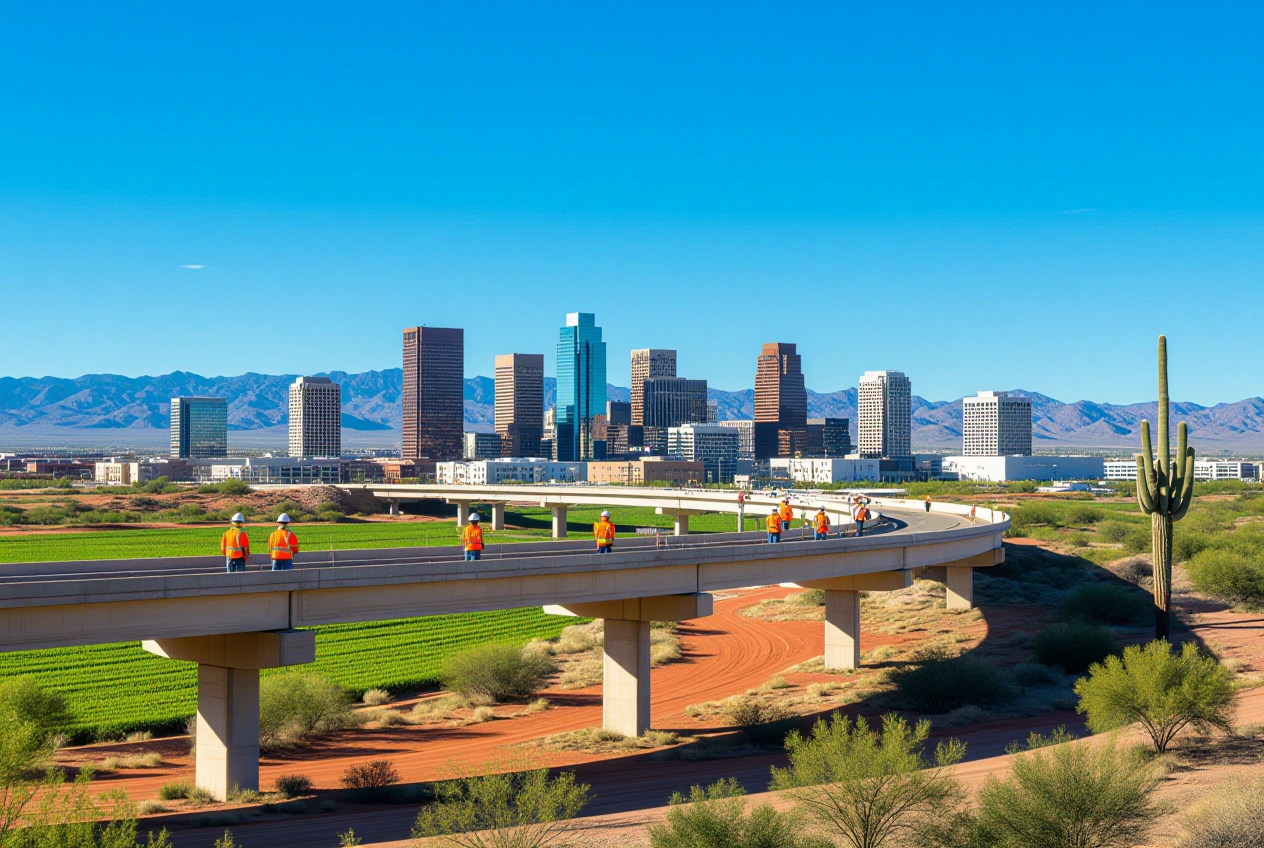
The California High-Speed Rail Authority currently has active construction underway across 119 miles of the Central Valley, with more than 80 miles of guideway completed and 61 major structures finished.
Construction Continues Across the Central Valley
Construction is taking place across Madera, Fresno, Kings, and Tulare counties.
The Authority’s latest project information reports that more than 80 miles of guideway have been completed, while dozens of structures have already been finished along the first 119 miles of the project.
Recent milestones include completed grade separations designed to improve safety and traffic flow for local communities.
In June 2026, the State Route 43 at Jersey Avenue grade separation in Kings County became the project’s 61st completed structure. The new overpass improves traffic flow and provides a safer connection for drivers, businesses, and agricultural operations near the rail corridor.
Track Installation Is Moving Forward
One of the most important developments in 2026 is the transition from major civil construction toward installing the actual railway system.
In June, the California High-Speed Rail Authority approved an American-led consortium to install electrified track, overhead electrical systems, train-control equipment, and communications infrastructure.
The contract covers the existing 119-mile Central Valley construction segment and supports the Authority’s plan to begin installing high-speed rail track during 2026.
The completed guideway will eventually support trains capable of reaching speeds of up to 220 miles per hour.
When Will Passenger Service Begin?
The timeline has changed from earlier projections.
The Authority’s 2026 Business Plan identifies Merced to Bakersfield as the initial operating segment.
The Authority now anticipates beginning fare service on that route in 2033, after track and systems installation followed by approximately two years of train testing.
The initial service is planned to operate with approximately eight trips per day in each direction.
The larger vision is to eventually connect the Central Valley with major population centers in Northern and Southern California. However, the current plan uses a phased approach rather than promising a completed San Francisco-to-Los Angeles service by 2033.
Economic Impact on Central Valley Communities
The project is already having an economic impact before passenger service begins.
The California High-Speed Rail Authority reports that construction has created nearly 19,200 jobs, with most positions being filled by Central Valley residents.
The Authority also estimates approximately $25 billion in economic impact and growth associated with the program. Up to 1,700 workers report to high-speed rail construction sites each day.
Construction activity has created opportunities for workers, contractors, suppliers, and businesses throughout the region.
Benefits Beyond the Future Train Service
The project is also producing infrastructure improvements before trains begin operating.
Grade separations are replacing crossings where roads and rail lines previously intersected, improving safety and reducing conflicts between vehicles and rail traffic.
For example, the completed Road 26 grade separation in Madera County allows vehicles and pedestrians to cross over the existing BNSF railroad and future high-speed rail tracks.
These improvements can benefit residents and businesses even before passenger trains begin operating.
What This Could Mean for Central Valley Communities
Major transportation investments can influence how communities develop over time.
Improved transportation connections can affect:
- Residential development
- Commercial growth
- Employment opportunities
- Traffic patterns
- Property demand
- Infrastructure planning
- Local businesses
- Community amenities
For homeowners associations and community managers, major infrastructure projects can be important to monitor because new transportation connections may influence future development around neighborhoods and communities.
Environmental and Agricultural Considerations
The high-speed rail project is being developed through extensive environmental review and mitigation requirements.
The Authority has reported that 463 miles of the planned 494-mile Phase 1 system between San Francisco and Anaheim have been environmentally cleared and are construction-ready.
The Central Valley construction program must also account for agricultural operations, existing transportation infrastructure, waterways, utilities, and nearby communities.
These considerations make coordination with local governments, landowners, farmers, and other stakeholders an important part of the project’s development.
The Bottom Line
California’s high-speed rail project is continuing to make measurable progress in the Central Valley.
More than 80 miles of guideway have been completed, 61 major structures are finished, and the project is moving into the next phase of installing track and railway systems.
The current 2026 plan anticipates passenger service between Merced and Bakersfield beginning in 2033, while future extensions are planned to eventually connect the Central Valley with larger population centers in Northern and Southern California.
For homeowners, businesses, and community associations in affected areas, the project is worth watching because major transportation investments can influence future development, accessibility, infrastructure needs, and economic activity.