
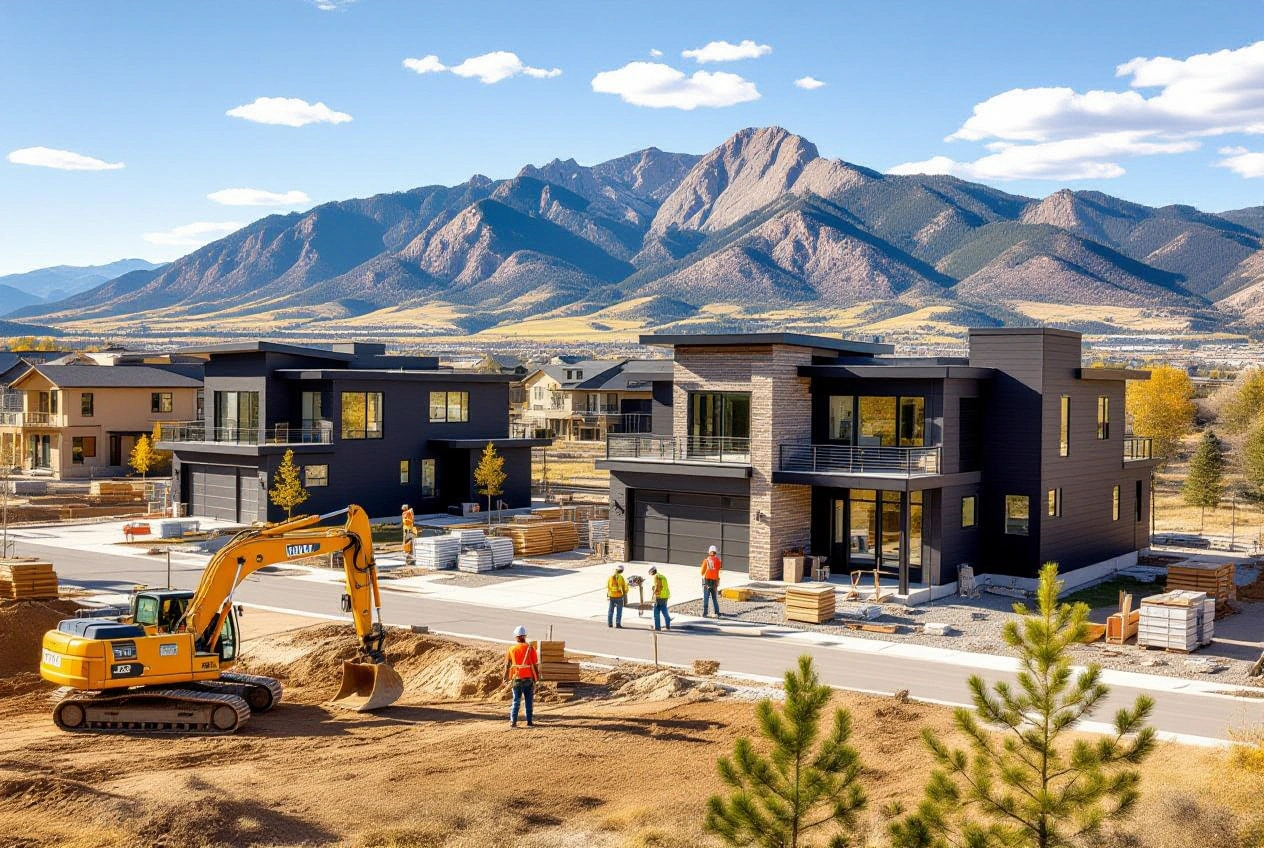
Colorado Residential Construction Remains Active as Housing Development Evolves
Colorado continues to see significant residential development as builders, local governments, and housing organizations work to respond to demand across the state.
However, the latest building-permit data shows a mixed construction market rather than an unprecedented statewide boom. Residential permitting has fluctuated considerably from month to month, with activity varying between metropolitan areas and housing types.
Recent Permit Activity
According to U.S. Census Bureau data, Colorado authorized approximately 3,299 housing units in April 2026, 2,991 in May, and 2,374 in June. Together, those figures represent approximately 8,664 permitted units during the second quarter.
The data also shows why it is important to look beyond a single month’s numbers. Colorado’s second-quarter permit total was lower than the comparable period in 2025, when approximately 9,460 housing units were authorized.
This suggests that while development remains active, Colorado’s construction market is not expanding uniformly across the state.
Denver Continues to Be a Major Development Center
The Denver-Aurora-Lakewood metropolitan area remains one of Colorado’s most important residential construction markets.
Census-based data shows that the region authorized 905 new private housing structures in June 2026, following 1,143 in May and 2,189 in April.
The monthly fluctuations demonstrate that construction activity can change substantially depending on project timing, permitting schedules, financing conditions, and local demand.
Development Extends Beyond Denver
Residential development is also taking place throughout Colorado’s other communities.
Boulder County, for example, maintains an official building-permit database that allows residents to track permits and construction activity dating back to 2009. The county also provides an interactive map of active building permits in unincorporated areas.
Colorado Springs and other Front Range communities also continue to process residential and commercial construction projects. The Pikes Peak Regional Building Department provides permitting and inspection services for Colorado Springs and several surrounding communities.
Housing Development and Community Growth
New residential construction can have a significant impact on existing communities.
As new homes and multifamily developments are built, communities may experience increased demand for:
- Roads and transportation infrastructure
- Water and wastewater services
- Landscaping and maintenance
- Parks and recreational facilities
- Community amenities
- HOA and property-management services
For homeowners associations, population growth can also create additional responsibilities around community standards, common-area maintenance, architectural guidelines, and long-term capital planning.
What This Means for Homeowners
New construction can create additional housing choices for buyers while also changing the competitive environment for existing homeowners.
New communities may offer modern floor plans, energy-efficient features, and new amenities that appeal to buyers. Existing homeowners may therefore need to consider property condition, pricing, neighborhood amenities, and improvements when competing with newly built homes.
For HOAs and community managers, understanding nearby development activity can also help with long-term planning. New construction can change traffic patterns, increase demand for community services, and influence future infrastructure and maintenance needs.
The Bottom Line
Colorado’s residential construction market remains active, but the latest data does not support describing 2026 as an unprecedented statewide construction boom.
Instead, the market is characterized by continued development alongside significant month-to-month and regional variation. Tracking building permits, approved developments, and local planning activity can help homeowners, investors, developers, and community associations better understand how their communities are changing.
Sources
For current Colorado housing and construction information, readers can monitor the U.S. Census Bureau Building Permits Survey, local building departments, county planning departments, and the Colorado Department of Local Affairs Division of Housing. The Census Bureau’s Building Permits Survey provides monthly, year-to-date, and annual statistics at the state, metropolitan-area, county, and local levels.