
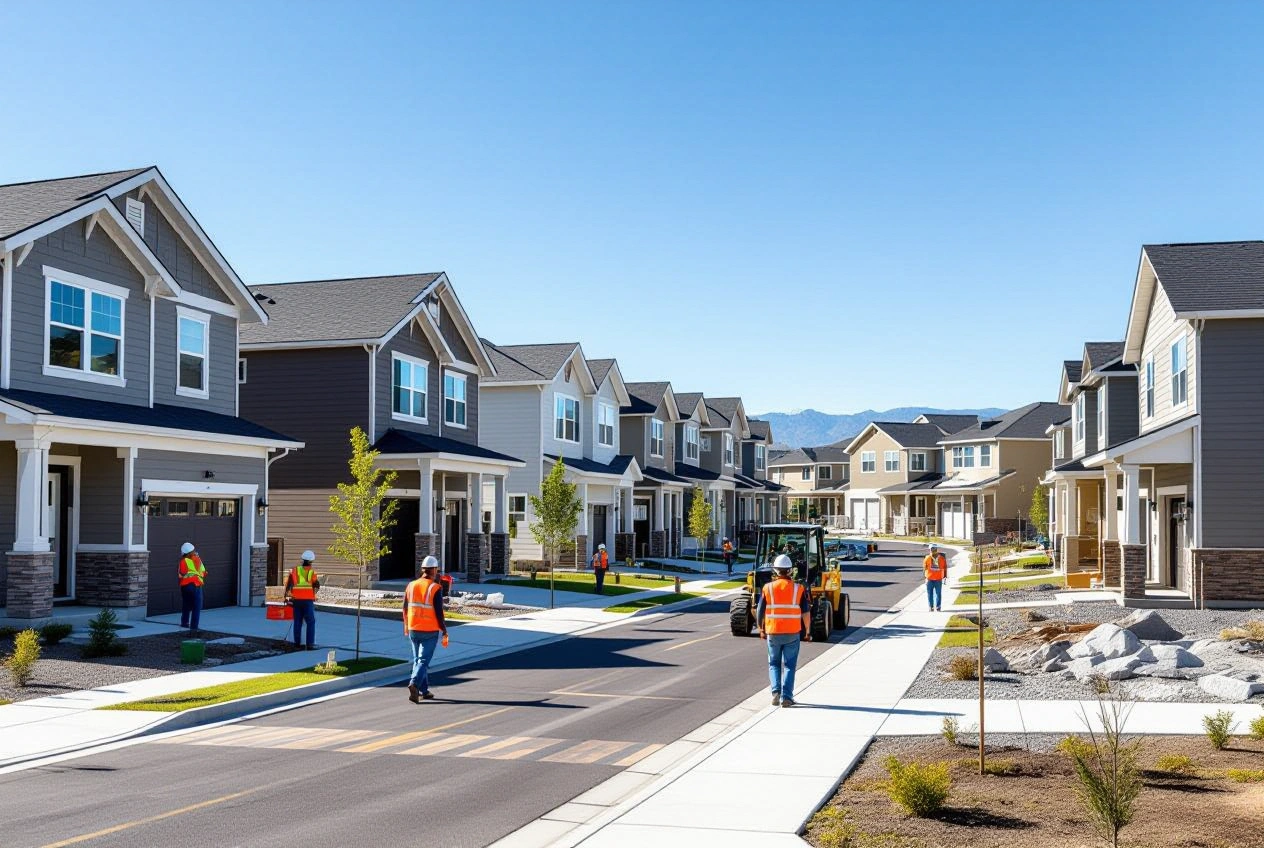
Residential Construction Continues to Support Growing Communities
Residential construction remains an important part of meeting housing demand across many regions of the United States. As communities continue to grow, developers are investing in new single-family homes, townhomes, and mixed-use neighborhoods designed to support changing lifestyles and long-term community development.
For homeowners associations and community managers, new residential growth presents opportunities to strengthen neighborhoods while planning for future community needs.
Why This Matters for HOA Communities
As new neighborhoods are developed, community associations often experience increased demand for services, amenities, and long-term planning.
Growing communities may see:
- Increased homeowner occupancy.
- Greater use of parks, clubhouses, and common areas.
- Higher expectations for landscaping and neighborhood maintenance.
- Increased interest in community events and resident engagement.
- Greater focus on reserve planning and infrastructure improvements.
Communities that plan proactively are better equipped to preserve neighborhood quality as they grow.
Residential Development Trends
Across the country, many residential developments continue to focus on creating neighborhoods that meet the needs of today’s homeowners.
Common development priorities include:
- Building single-family homes and townhomes.
- Creating walkable neighborhoods with parks and open spaces.
- Expanding community amenities and recreational facilities.
- Supporting sustainable infrastructure and energy-efficient construction.
- Designing communities with convenient access to schools, shopping, and employment centers.
These investments help create neighborhoods that are attractive, functional, and resilient for years to come.
What HOA Boards Can Do
Growth presents an opportunity for community associations to strengthen long-term planning.
HOA boards can prepare by:
- Reviewing reserve studies regularly.
- Planning for future maintenance of common areas and amenities.
- Communicating community improvements with homeowners.
- Monitoring infrastructure needs as neighborhoods expand.
- Encouraging resident participation through community events and volunteer programs.
Strong governance and proactive planning help communities remain welcoming while protecting long-term property values.
Looking Ahead
Residential construction will continue to play an important role in supporting population growth and expanding housing opportunities across the country. While development trends vary by region, communities that prioritize maintenance, financial stability, and resident engagement are better positioned for long-term success.
For HOA boards and community managers, investing in both community infrastructure and resident relationships helps create neighborhoods where homeowners are proud to live.