
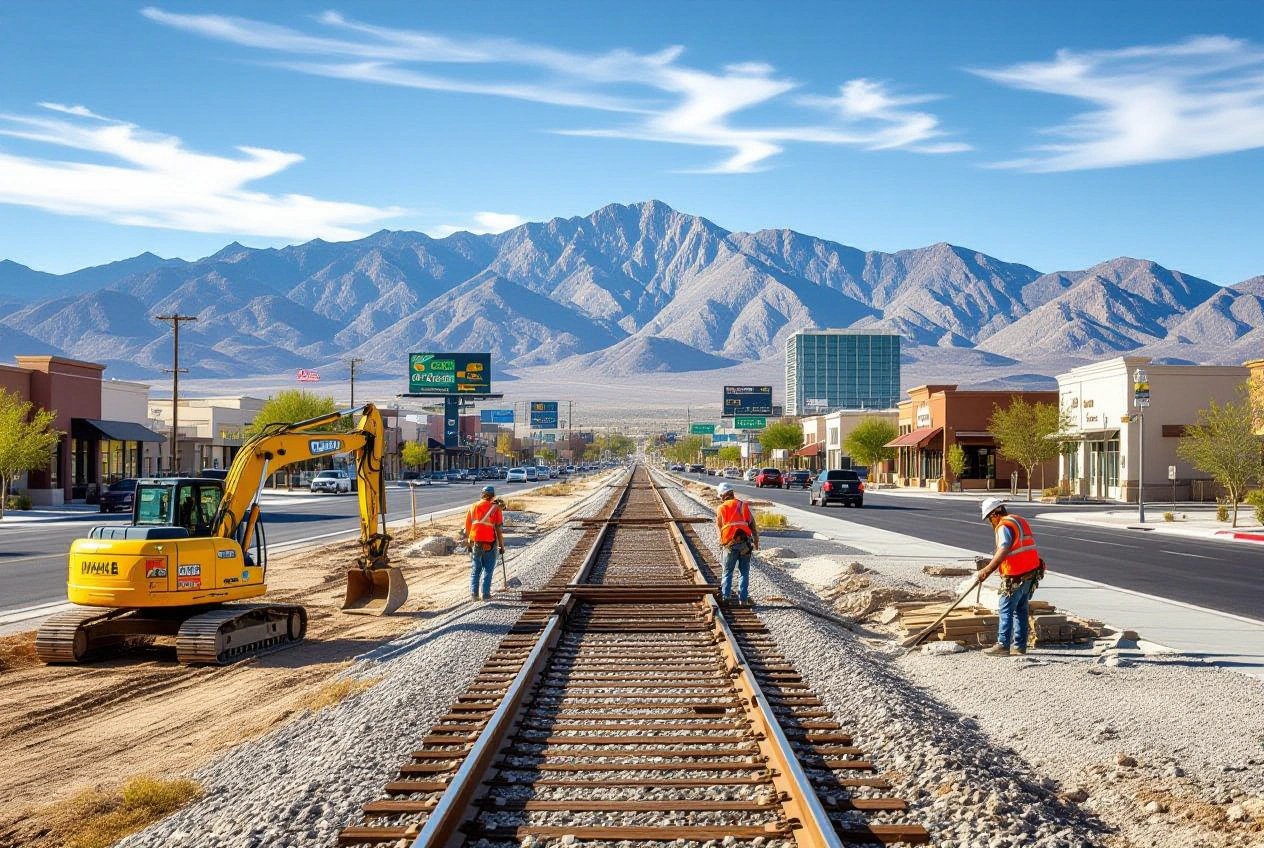
Transportation Improvements Can Strengthen Nevada Communities
Reliable transportation plays an important role in creating connected, accessible, and thriving communities. As Nevada continues to invest in transportation infrastructure, improvements to public transit, roads, and pedestrian access can enhance residents’ quality of life while supporting long-term community growth.
For homeowners associations and community managers, transportation projects often influence neighborhood accessibility, property appeal, and resident satisfaction.
Why This Matters for HOA Communities
Transportation improvements benefit more than commuters—they help communities become more connected and accessible.
Well-planned infrastructure can contribute to:
- Easier access to schools, healthcare, and employment centers.
- Improved mobility for seniors and residents without personal vehicles.
- Reduced traffic congestion in growing neighborhoods.
- Better connections between residential communities and local businesses.
- Enhanced walkability and overall neighborhood livability.
Communities that are connected to reliable transportation networks often become more attractive to both current and future homeowners.
Community Growth and Infrastructure
As Nevada’s population continues to grow, local governments are investing in infrastructure that supports long-term development.
Many transportation initiatives focus on:
- Improving roadway safety.
- Expanding public transit options.
- Enhancing pedestrian and bicycle accessibility.
- Supporting sustainable transportation solutions.
- Connecting residential neighborhoods with employment and commercial areas.
These investments help create communities that are more convenient, resilient, and prepared for future growth.
What HOA Boards Can Do
Transportation improvements near a community may affect residents in both positive and challenging ways.
HOA boards can prepare by:
- Keeping homeowners informed about nearby infrastructure projects.
- Monitoring how construction may affect community access.
- Maintaining sidewalks, pathways, and community entrances.
- Working with local agencies when transportation projects impact the neighborhood.
- Encouraging resident feedback on local planning initiatives.
Open communication helps residents better understand changes occurring within their community.
Looking Ahead
As transportation systems continue to evolve, communities that prioritize accessibility, safety, and long-term planning are better positioned for future growth.
For HOA boards and community managers, staying informed about local infrastructure projects can help support thoughtful decision-making while enhancing neighborhood quality of life.