
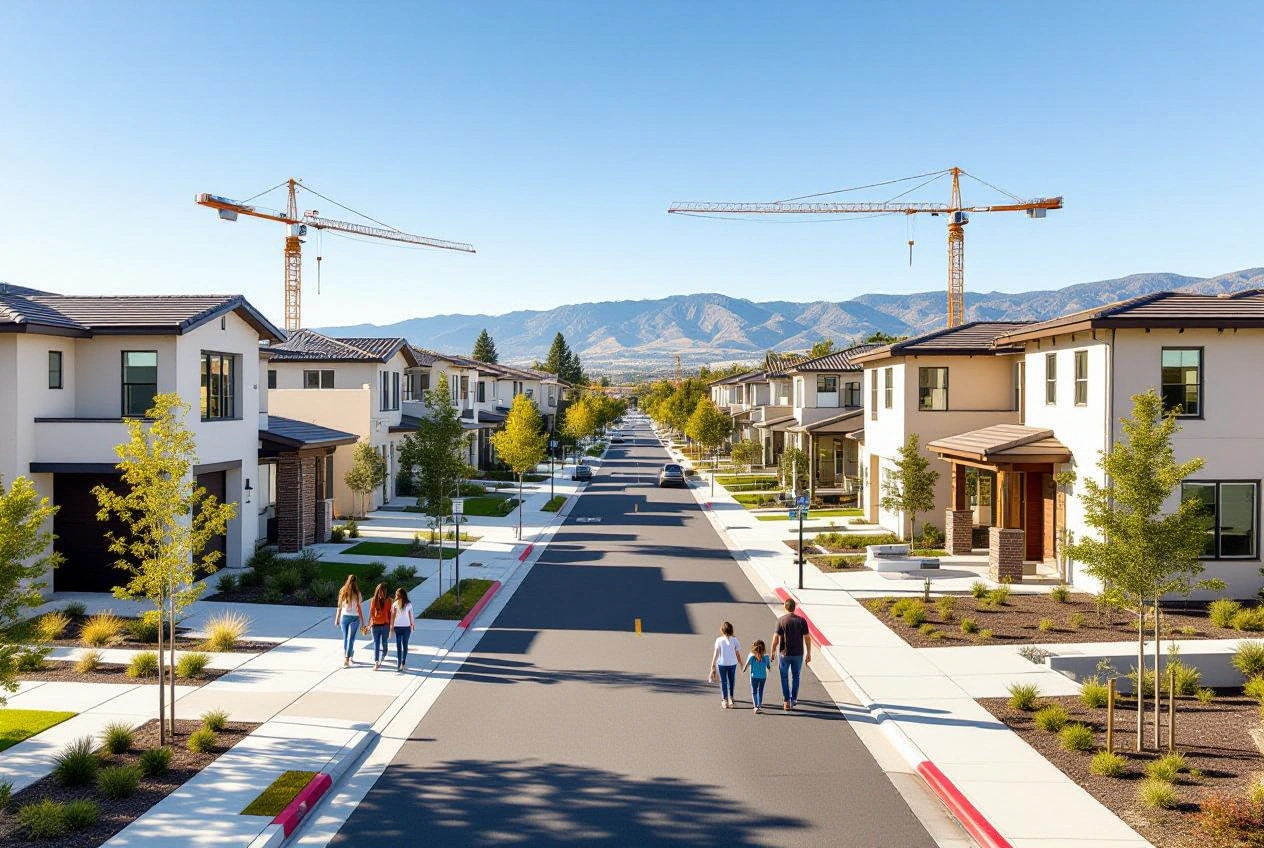
California Continues to Expand Housing Development: What HOA Communities Should Know
California continues to prioritize increasing its housing supply through new residential development, streamlined permitting, and transit-oriented growth. State and local governments are working to address long-standing housing challenges by encouraging new construction while balancing the needs of existing neighborhoods.
For homeowners associations and community leaders, these changes highlight the importance of thoughtful planning, effective communication, and proactive community management.
Why This Matters for HOA Communities
As new housing developments emerge across California, many communities are experiencing changes in population, infrastructure demands, and neighborhood dynamics.
HOA boards may see:
- Increased homeowner turnover
- Greater demand for community amenities
- Higher expectations for maintenance and landscaping
- Increased interest in reserve planning and long-term capital improvements
Communities that remain financially healthy and well-managed are often better positioned to adapt to growth while maintaining property values.
Housing Development Trends
According to the California Department of Housing and Community Development (HCD), many cities continue to update their housing plans and approve projects that support the state’s long-term housing goals.
Current priorities include:
- Encouraging residential development near public transit
- Expanding affordable housing opportunities
- Streamlining housing approvals where permitted by state law
- Supporting sustainable and higher-density development in appropriate locations
These initiatives are designed to increase housing availability while promoting responsible community growth.
What HOA Boards Should Consider
Growth can bring new opportunities as well as new responsibilities.
Boards may want to:
- Review reserve studies to ensure future infrastructure needs are adequately funded.
- Evaluate common-area maintenance plans as communities evolve.
- Keep homeowners informed about nearby developments that could affect traffic, utilities, or neighborhood services.
- Continue investing in community engagement to strengthen resident relationships during periods of change.
Strong governance helps communities remain attractive regardless of market conditions.
Looking Ahead
California’s housing landscape will continue to evolve as cities work toward meeting state housing goals. While market conditions vary from region to region, communities that prioritize transparency, financial stability, and resident engagement are well-positioned for long-term success.
For HOA boards and community managers, staying informed about local development plans can help support better planning and stronger neighborhoods.