
Current Trends and Market Overview
Nevada’s housing market will continue to be resilient until mid-2026. Home prices are expected to maintain modest growth despite high mortgage rates. The median price in Nevada has increased by 4.8 percent over the past year, a result of sustained demand both from local investors and those looking for affordable options to coastal markets.
The Key Drivers for Home Price Growth
The current trajectory of prices is influenced by several factors. In major metropolitan areas like Las Vegas and Reno the inventory is historically low, which creates a competitive environment. Strong job growth across the technology, tourism, logistics and logistics sectors have also boosted buyer confidence in Clark and Washoe Counties.
The Regional Variations
- Las Vegas Metro area reported a price increase of 5.2 percent, helped by the new construction of single-family homes in southwest valley.
- Reno-Sparks experienced an increase of 4.1 percent, but this was tempered by rising interest rates that affected first-time buyers’ affordability.
- The secondary markets in Henderson and North Las Vegas have seen a slight softer gain of 3.7 percent due to increased supply from new developments.
New Developments and Construction Activities
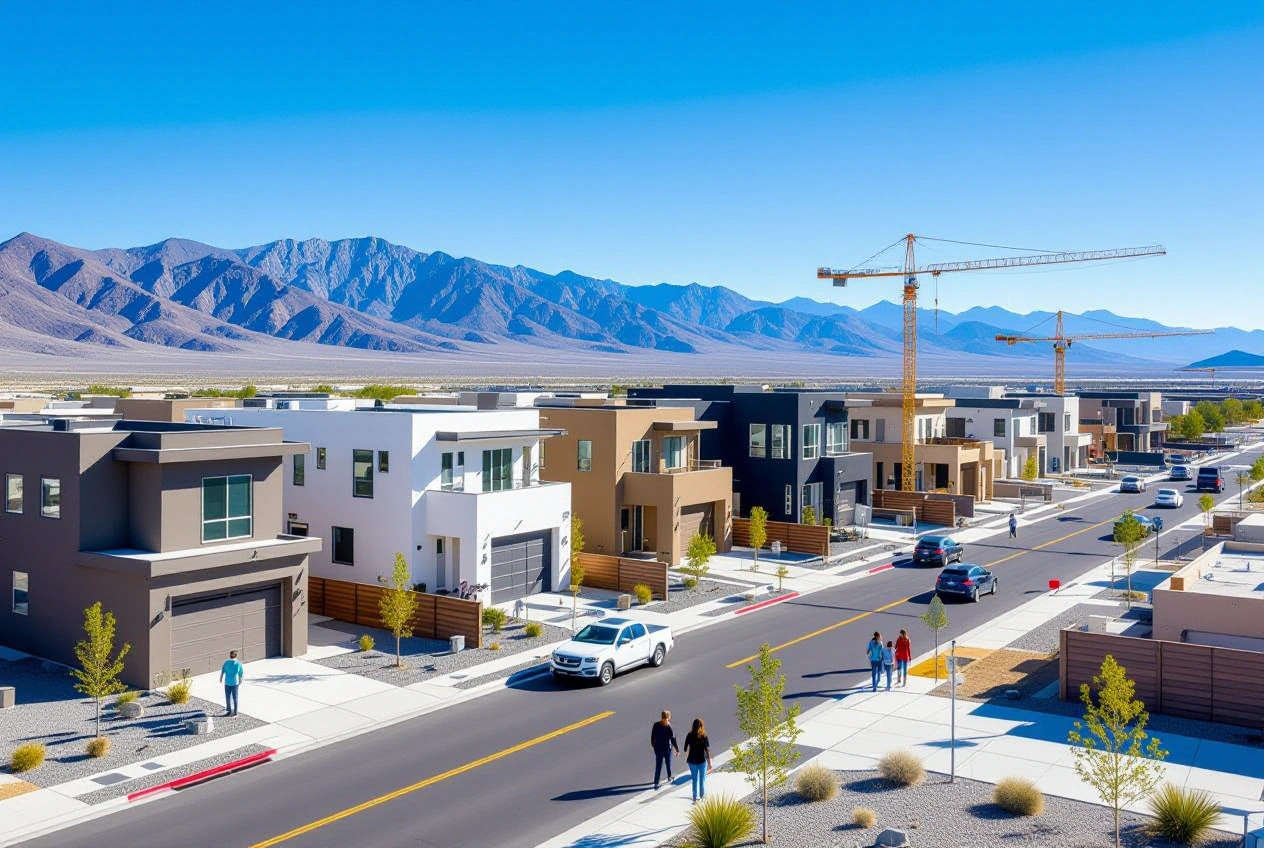
In 2026 construction activity accelerated, and over 12,000 housing units were permitted in the state during the first six months of the year. The 1,800 home master-planned Summerlin community and the 650 unit multifamily complex located near the Reno/Tahoe Airport are notable projects. The projects are designed to meet the chronic shortage of supplies while also incorporating new energy efficient building codes mandated by state code updates.
The Mortgage Market and the Financing Environment
In July 2026 the average 30-year fixed rate mortgage hovered around 6.75 percent, putting downward pressure on affordability. Cash buyers and investors still account for approximately 28 percent of all transactions, which helps to maintain overall sales. The demand for products with adjustable rates has increased, as more borrowers are looking to control their monthly payments.
Commercial Real Estate and Investment Outlook
Divergent performances across the commercial sectors. Due to the expansion of e-commerce, industrial and logistic properties have high occupancy rates exceeding 94 percent. Traditional retail space is challenged by changing consumer habits. Investors have renewed their interest in multifamily properties, due to the lower cap rates in Nevada compared to neighboring states.
Property Law Updates
In January 2026, new legislation will require sellers to disclose more information about flood risks and the financial stability of HOAs. The measures are designed to increase transparency in the market, where 65 percent of all homes are located within planned communities.
General Recommendations
Visit reputable sources like the Nevada Association of Realtors (NAR), Zillow Research and Federal Housing Finance Agency for the latest market listings and data.